★ Premium Experience
The Hydro Story
How a remote fjord waterfall became the engine of one of Norway's most ambitious industrial towns — told by a guide who knows it from the inside.
How a remote fjord waterfall became the engine of one of Norway's most ambitious industrial towns — told by a guide who knows it from the inside.
Most visitors to the Sognefjord pass through Høyanger without stopping. This experience is built around what they miss — one of the most remarkable and least-known industrial stories in Norway, told on foot through the town where it happened.
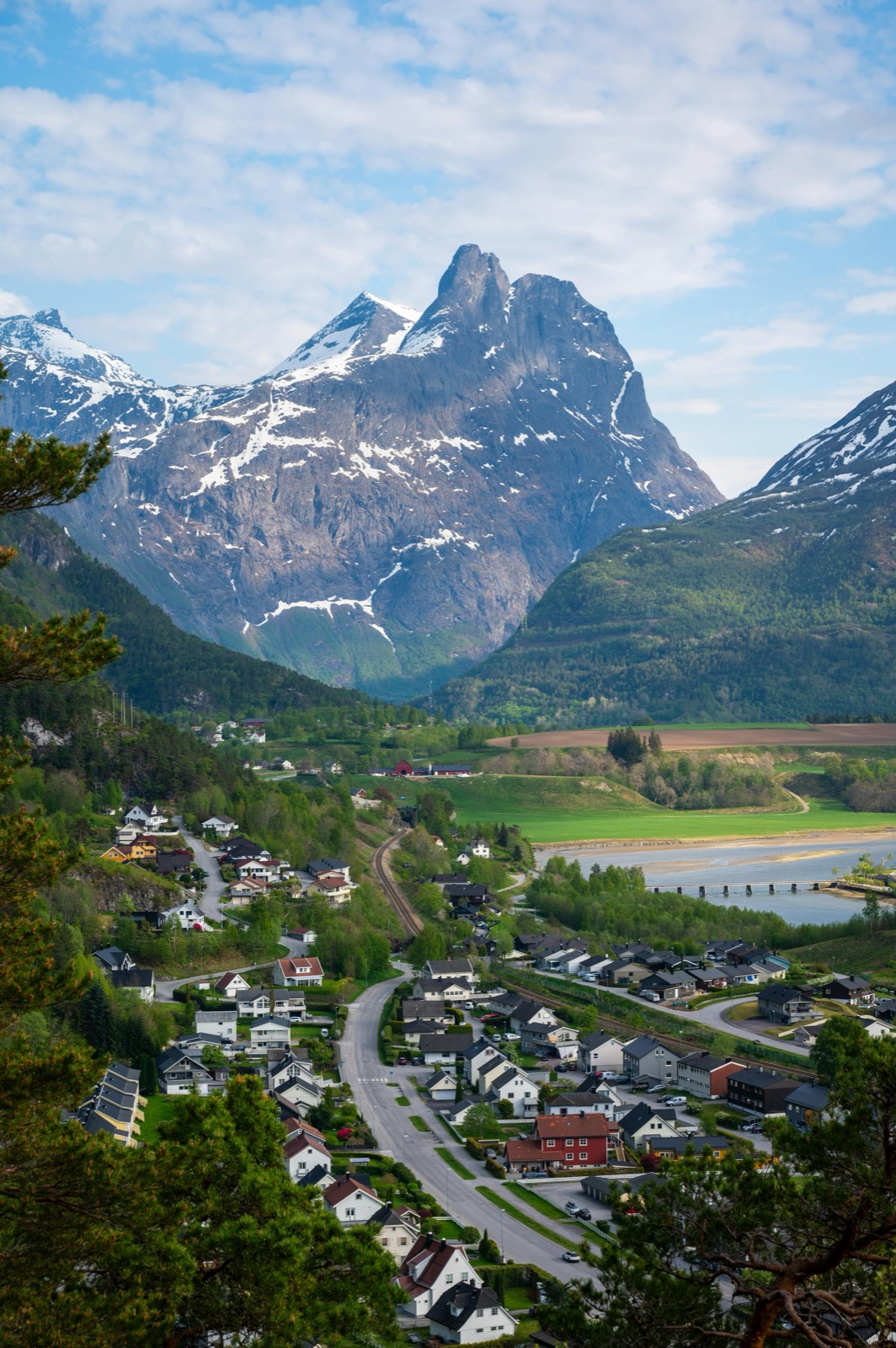
In 1917, Norsk Hydro chose this remote fjord location for a reason: the rivers cascading off the mountains above Høyanger could generate electricity on a scale that had never been attempted in Norway. They built a hydroelectric power station, then an aluminium smelter to consume the power, then an entire town to house the workers who came to run it. The housing districts, the civic buildings, the waterfront — all of it was planned and built from scratch, much of it by architects who were among the leading names in Norway at the time.
The walk takes you through this landscape — the smelter that is still operating today, the early workers' housing with its distinctive company-town character, the original power channels visible from the street, the industrial museum with its honest account of what life here was actually like. Your guide brings the story to life with the detail and context that comes from knowing this place personally. The experience ends at a local bakery.
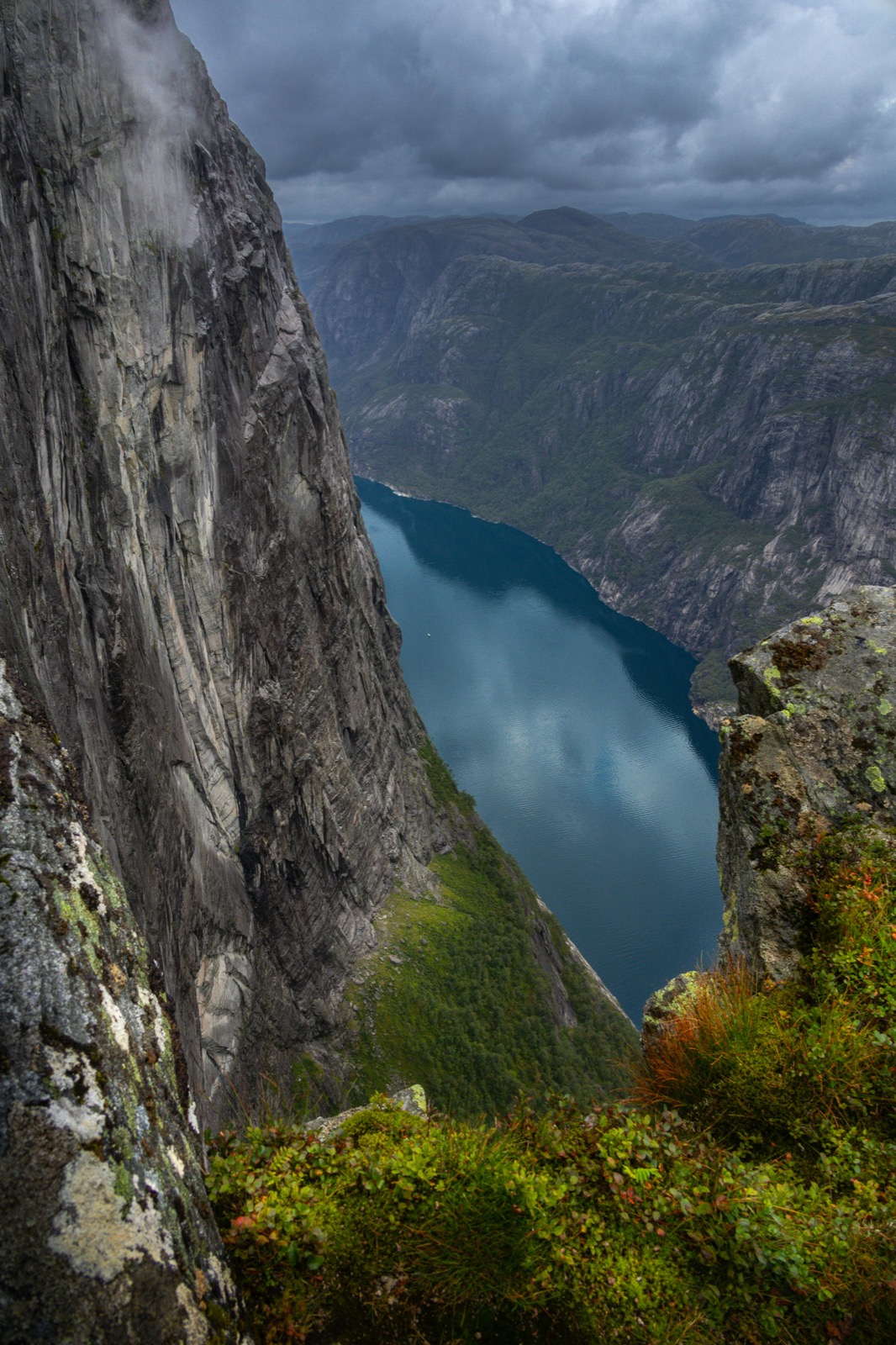
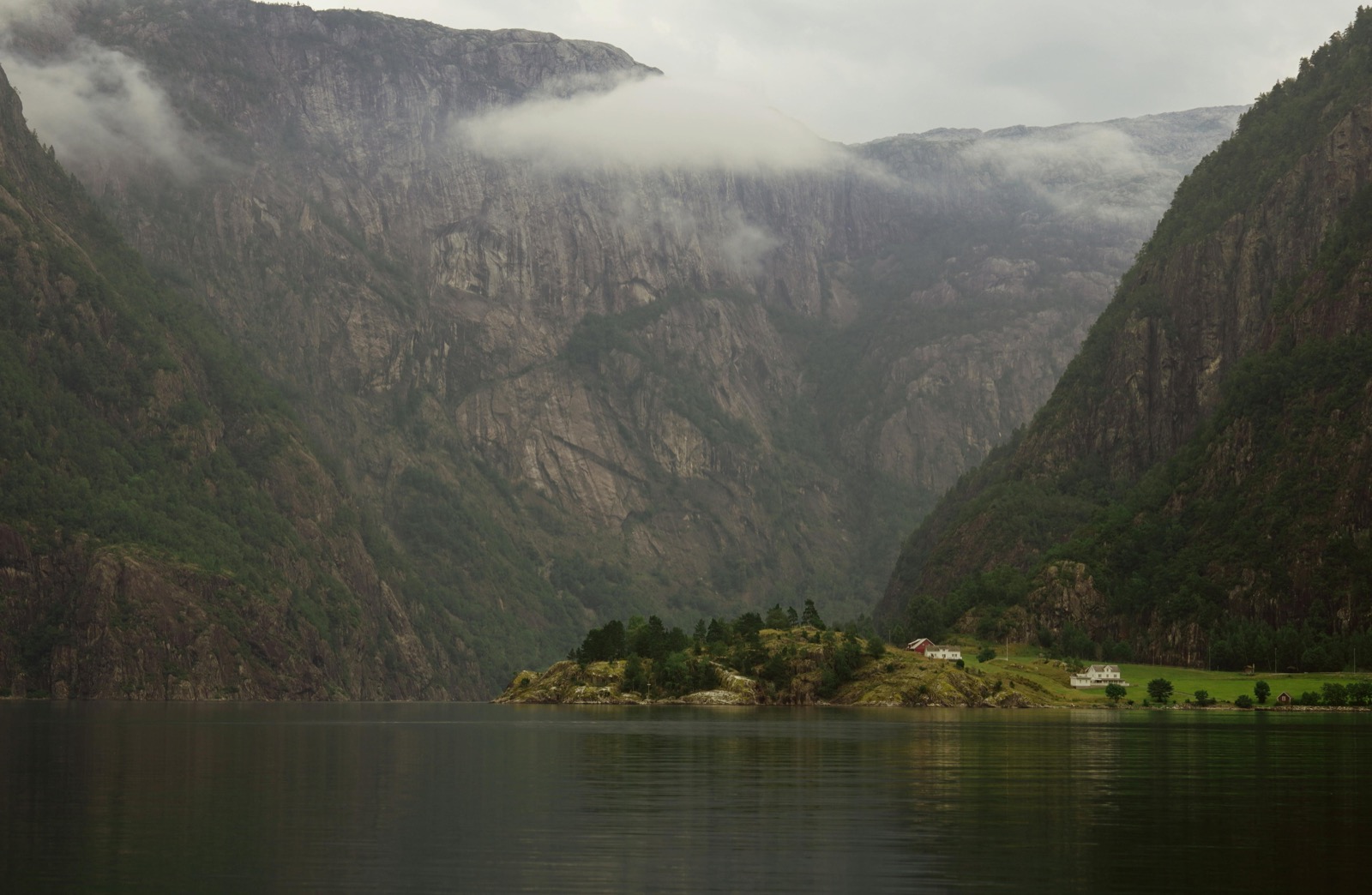
Norsk Hydro arrived in Høyanger in 1917, drawn by the rivers cascading off the mountains above the fjord. They built a hydroelectric power station, then an aluminium smelter to use the electricity, then an entire planned town to house the workforce. The buildings, the power channels and the smelter itself are still there — it is one of the most complete surviving examples of a Norwegian company town from the early industrial era.
No — the walk is flat and easy, entirely within Høyanger town. There is no hiking, no elevation gain and no specialist footwear required. It is suitable for all ages and fitness levels, including guests who are not hikers.
Yes — The Hydro Story works well as an afternoon complement to a morning hike on Fossestien or Bergefjellet. Both finish back in town, making the combination easy to arrange. Mention this when you enquire and your guide will help plan the day.
Yes — the Hydro aluminium smelter in Høyanger has been running continuously since 1917 and still operates today. You will not go inside, but seeing it from the town gives an immediate sense of the scale and continuity of the industrial history your guide is describing.
Kraftruta is a full-day hard mountain hike (13.5 km, 700 m elevation gain) that passes hydropower infrastructure on the ridge above town. The Hydro Story is a gentle town walk focused on the social and architectural history of Høyanger itself. They cover different ground and work well together.
Fully private — exclusively your group